
Dr Emma Sheehan
Associate Professor of Marine Ecology, University of Plymouth
Over-exploitation of our oceans has degraded biogenic habitats. These habitats act as important nursery and feeding areas for species of conservation and fisheries importance, and provide important ecological and environmental functions including filtering water, binding sediments and capturing carbon. Marine Protected Areas (MPA) and emerging blue industry such as marine renewables and offshore shellfish aquaculture, if managed to exclude destructive human practices, have the potential to restore the health and functionality of biogenic habitats. To inspire and inform ambitious marine policy and management, I lead the applied Marine Ecosystems Research unit that utilises non-destructive techniques, such as underwater video and acoustic telemetry, to assess the effectiveness of spatial management for species and habitats over large spatial and temporal scales.

Amy Cartwright
Project Officer
I started working as part of Dr. Emma Sheehan’s research group in 2015 on the Clean Energy From Ocean Waves (CEFOW) project, which involved epibenthic assessments to determine the interaction of marine renewable energy installations with seabed ecology. I have since been involved with many exciting projects including the annual Lyme Bay monitoring project, which Emma’s team have been undertaking since the closure of this area to destructive bottom towed fishing gear in 2008. Over the years my role has evolved to and I am now responsible for managing projects as well as supporting science and research. I have helped to deliver our largest project to date, FISH INTEL, and most recently managed to the Ropes to Reefs FISP project. My research interests centre on marine protected area (MPA) implementation and management, marine ecology, equitable conservation and the sustainable use of the marine environment.
Links:
Bluesky: https://bsky.app/profile/amyycartwright.bsky.social
Dr Pete Davies
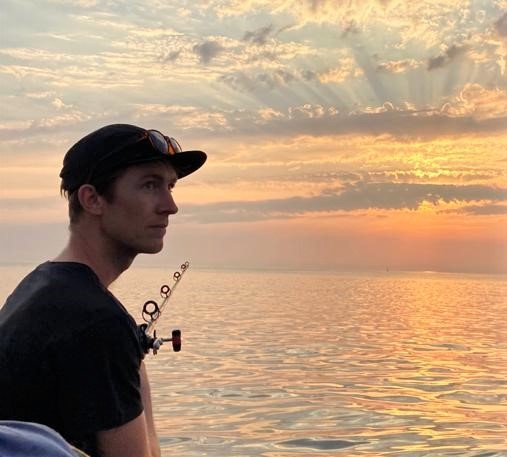
Postdoctoral researcher
I am interested in how, where and why animals move, and applying this knowledge to inform their conservation. For my PhD I used telemetry to understand how habitat fragmentation affects the movements of threatened migratory fish, and how fish populations respond when habitats are reconnected. My current work as postdoctoral researcher in the aMER research group spans two major projects: the Fish Intel Network and Angling for Sustainability, which are cross-channel efforts aimed at broadening our understanding of the movements of marine species to inform ecosystem-based fisheries management.

Dr Alice Hall
Postdoctoral researcher
I am a marine biologist with extensive experience of marine monitoring including scientific dive surveys, baited remote underwater video (BRUV) and remotely operated vehicles (ROV). My previous research has focused on investigating the impacts of artificial structures on marine environments and exploring ways to enhance biodiversity. I am currently working on the Interreg FISH INTEL project which aims to support ecosystem based fisheries management across the Channel.

Tully Osmond
Technical Project Support Officer
I joined the team in 2024 as project support officer for two Defra-funded FISP projects: Angling for Sustainability and Pollack. Moving forward I will support the team with a variety of field work and equipment maintenance for all projects. I studied a BSc in Wildlife Ecology and Conservation Science and an MRes in developing eDNA protocols for aquatic ecosystems at the University of the West of England in Bristol. I then studied a PhD at Edinburgh Napier University looking at the effects of metazoan parasites on commercially valuable marine food webs. I have a strong interest in commercial and recreational fisheries, fisheries management and marine parasites.

Rosy Stanesby
Project Support Officer
I joined the team in January 2025 as a Project Support Officer, shortly after finishing my BSc in Conservation Biology. My role has been focused on processing sediment samples as part of the long-term monitoring of an offshore mussel farm in Lyme Bay, developed by Offshore Shellfish Ltd. This has involved cleaning samples, picking out infauna, and identifying them. With this taxonomic data, we can analyse changes to local biodiversity and highlight the effects of the mussel farm on the ecosystem.
Chloe Renn
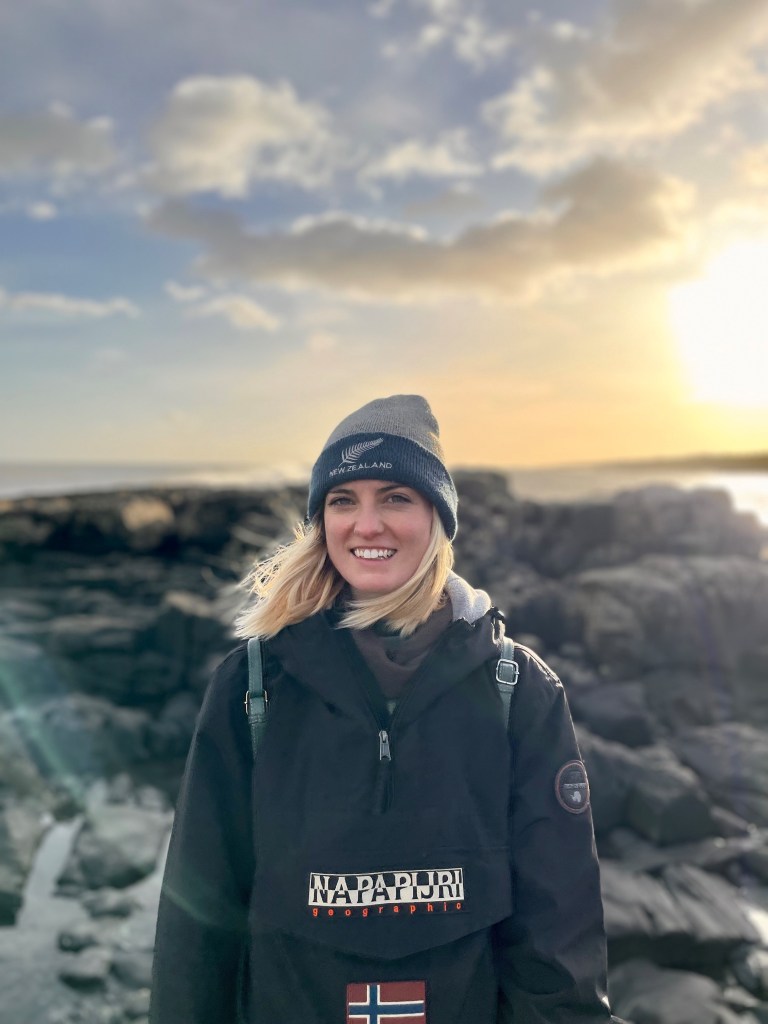
PhD Candidate
I’ve been working with the team since 2021 and recently started my PhD exploring shark and skate habitats in the European Atlantic. My research uses transdisciplinary approaches spanning social and natural sciences to identify key habitats (e.g. spawning and gestation areas) to help improve MPAs and other conservation strategies. These methods include acoustic telemetry, ultrasonography, hormone analysis and semi-structured interviews. I also aim to align my research with the pluralistic and convivial conservation movements which recognise the interconnections between people and nature and the need to balance social and ecological goals. I therefore employ participatory approaches whenever possible.
Rebecca Turley
PhD candidate
Supervisory team: Dr Emma Sheehan, Dr Marija Sciberras, Dr Bryce Stewart, Dr Timothy Scott, Dr Sian Rees, Dr Duncan Vaughan
I joined the team in 2024 and for my PhD I am studying the benthic ecology of subtidal sediment habitats. I will be using underwater video surveys to explore how these understudied habitats look and function without human pressures, and how they can be affected by bottom-towed fishing. I have previously worked in marine policy, including researching perceptions around fisheries management, and have run outreach and citizen science events in marine conservation. For my research, I am interested in carrying out transdisciplinary research that integrates ecology and social sciences to inform the spatial management of marine ecosystems.
Matilda Longstaff
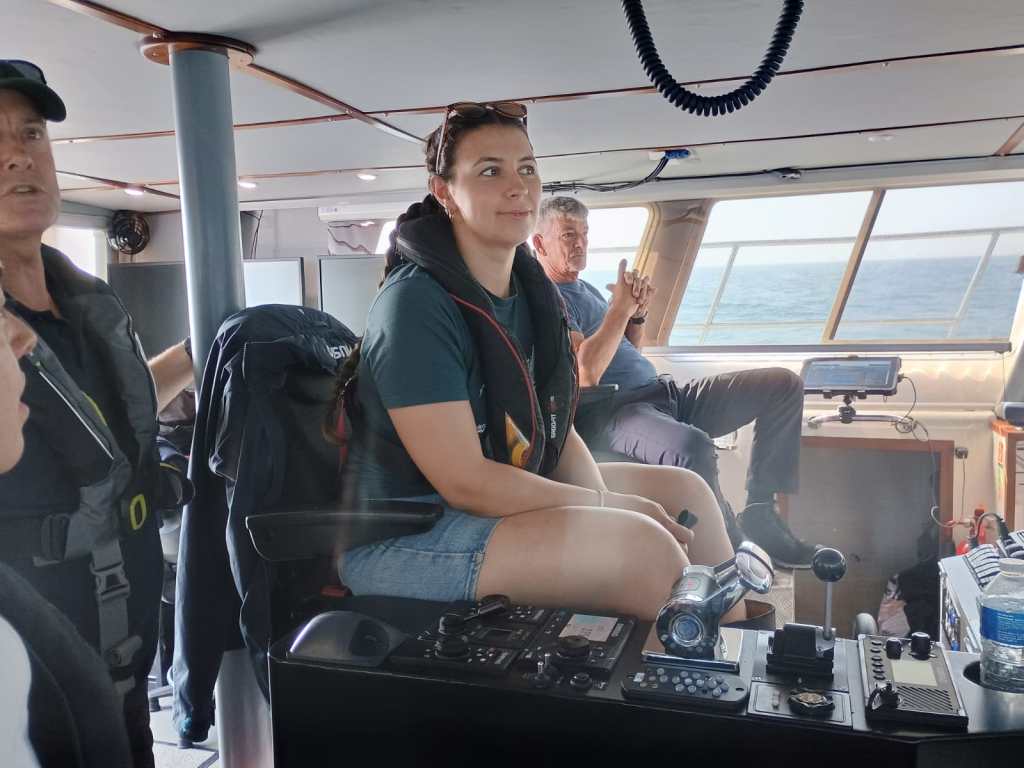
PhD candidate
As a PhD candidate with the aMER team, I am investigating the sharks and rays of Plymouth Sound. Using a combination of underwater video surveys and acoustic telemetry, I aim to explore their movement ecology and habitat use within these coastal waters. By incorporating both historical trawl records and environmental data, I hope to better understand the past and future of the local elasmobranch population and use this knowledge to inform spatial management and conservation strategies. I previously completed a BSc in Marine Biology and an MRes focused on basking shark foraging behaviour at the University of Plymouth. My research interests centre on understanding the ecology and behaviour of marine species to support fisheries management and conservation, with a particular focus on elasmobranchs.
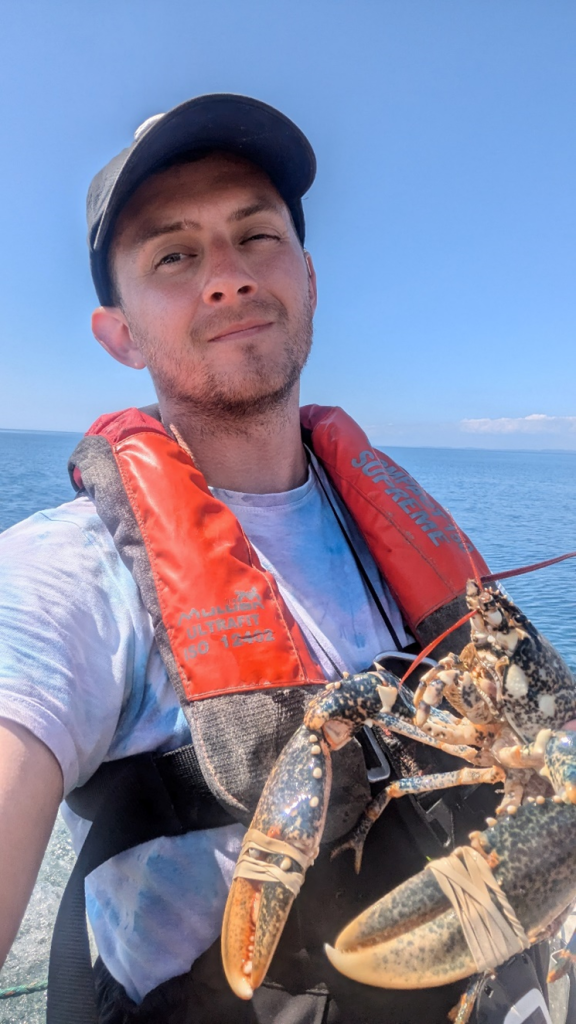
Jake Liam Hebb
PhD Candidate
I joined the team as a PhD candidate in 2023 looking to understand how offshore mussel farms impact local fisheries through boosting conservation efforts and promoting biodiversity. My PhD builds on the existing long-term monitoring work that has previously been performed at the Lyme Bay mussel farm since 2013 and incorporates novel approaches to assessing the biological effects the farm is having on species of commercial value. This PhD will use a fully holistic monitoring approach, incorporating non-lethal methods like acoustic telemetry, eDNA, metabarcoding, isotope analysis, and fisheries acoustics. My previous experience has focused on the application of molecular research in the fisheries industry, a central aim of my past work experience has been to contribute to the development of more effective fisheries policies. My current research interests centre on integrating marine biotechnology with fine-scale monitoring strategies to optimize long-term ecological surveillance and contribute to the formulation of robust, data-driven policies.
External Research Associates
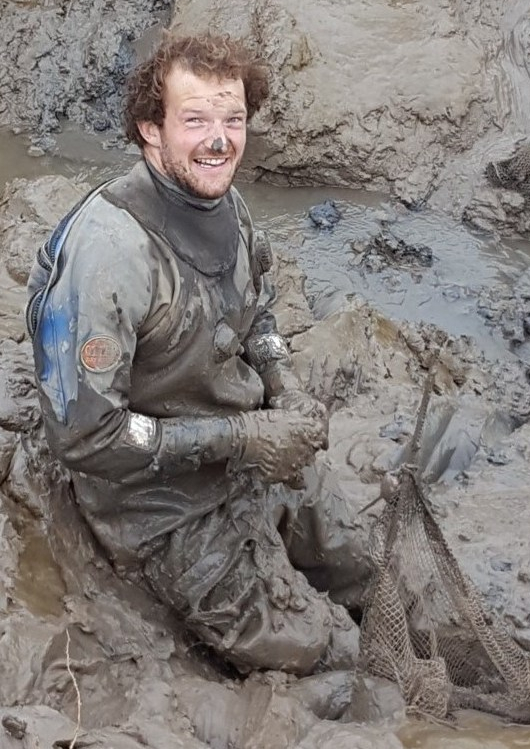
Dr Thomas Stamp
Visiting Researcher
My research interests are focused on assessing human impacts on marine habitats and species, and exploring ways in which we can limit human impacts or restore habitats and the species which use them. My PhD focused on assessing the ecology and distribution of European Seabass in the UK. Several elements of the life history of this fascinating species increase its vulnerability from, and interactions with, human activities and fishing practices. Specifically, my research assessed the nursery function of estuarine habitats for Seabass, and the effectiveness of current management and conservation measures. Take a look at the I-BASS project for more information on how this was achieved.
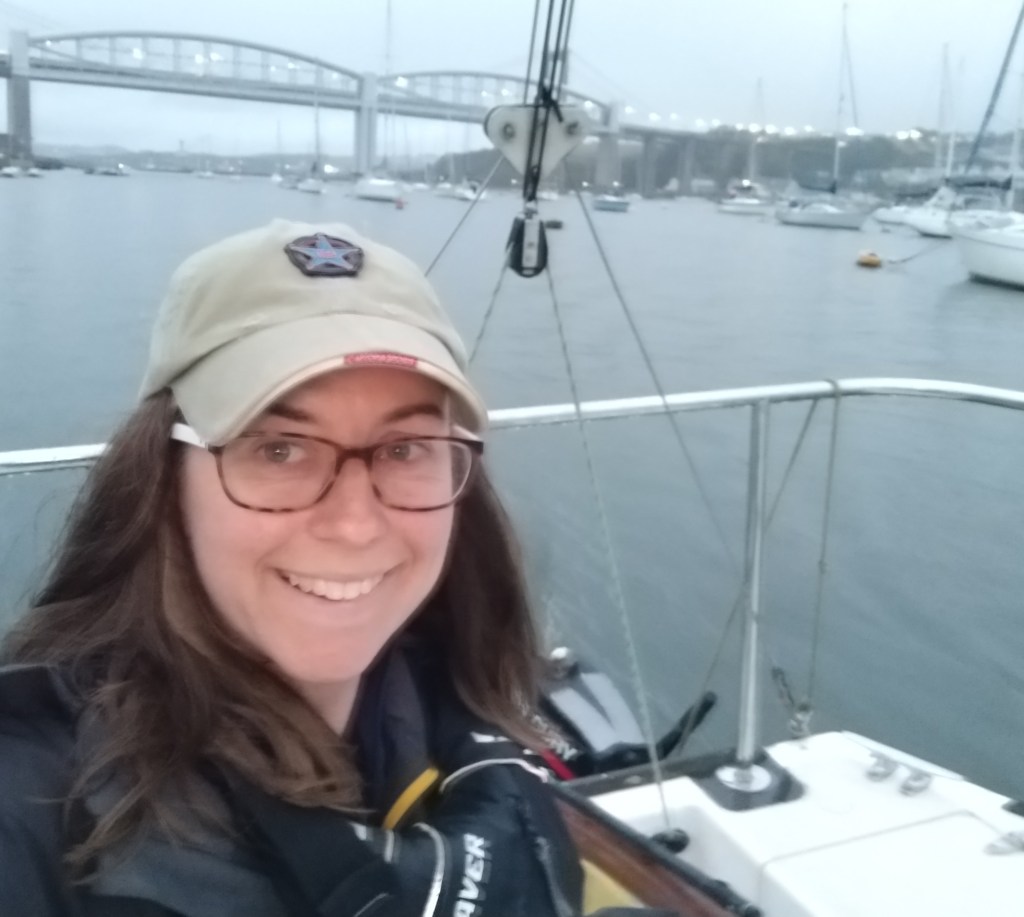
Dr Rebecca Nesbit
Project Manager – OcEn project
I joined the team in 2023 as project manager for two Defra-funded FISP projects: Angling for Sustainability and Pollack. Both projects used fish tagging and tracking to collect much-needed evidence for fisheries management in the Channel. I have a BSc in Biology from Durham University, and an Ecology PhD (insect migration) from the University of York.
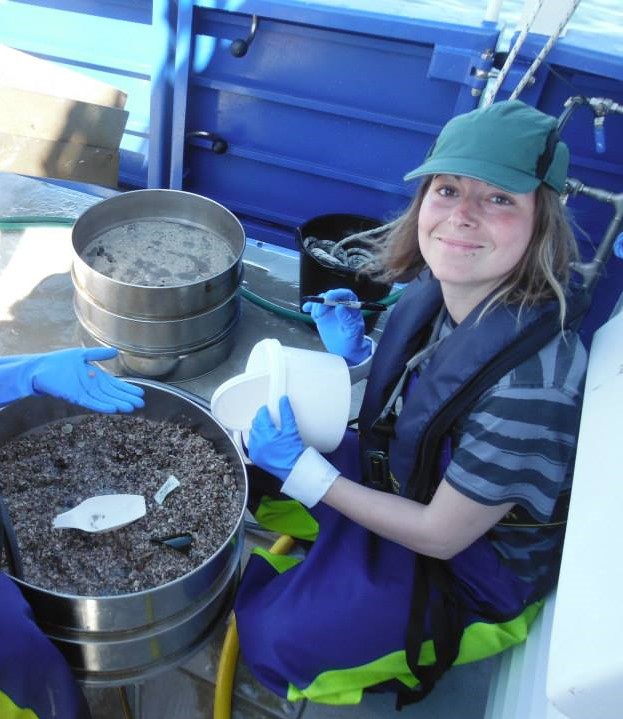
Dr Llucia Mascorda Cabre
Visiting Researcher
As a PhD Candidate on Dr Emma Sheehan’s research group and funded by Offshore Shellfish Ltd., I studied ecological and oceanographic environmental impacts of this novel large-scale offshore mussel farm in Lyme Bay. Both my academic and professional experience have always involved a multidisciplinary and holistic approach to marine conservation and resource management, and this project is a great opportunity to build on this. I believe that studying and understanding the links between biodiversity and its function within the ecosystem is crucial.
Links:
Twitter: @LluciaMascorda
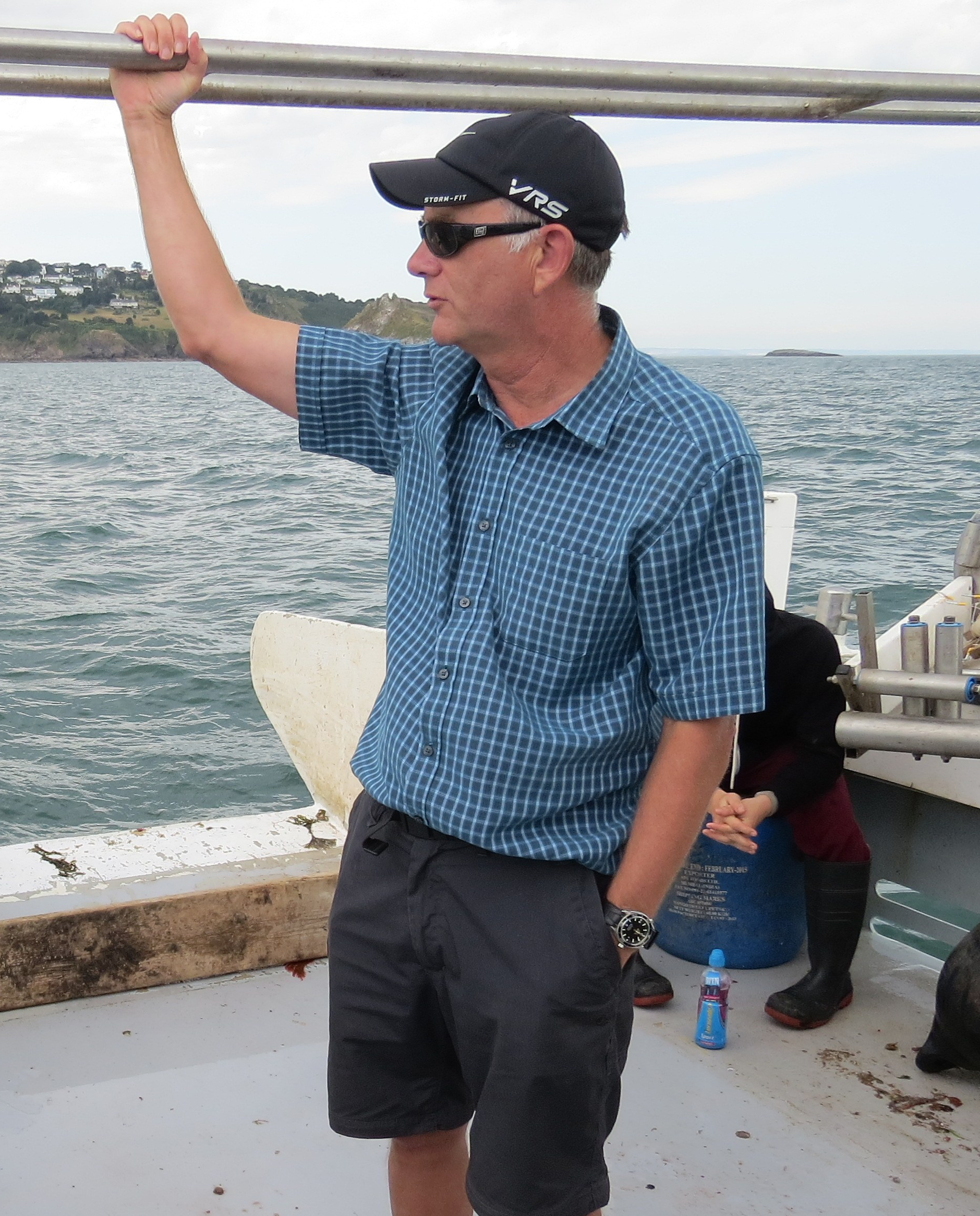
David Cox
Scallop ranching
Supervisory team: Prof. Martin Attrill (DoS), Dr Emma Sheehan, Dr Sian Rees
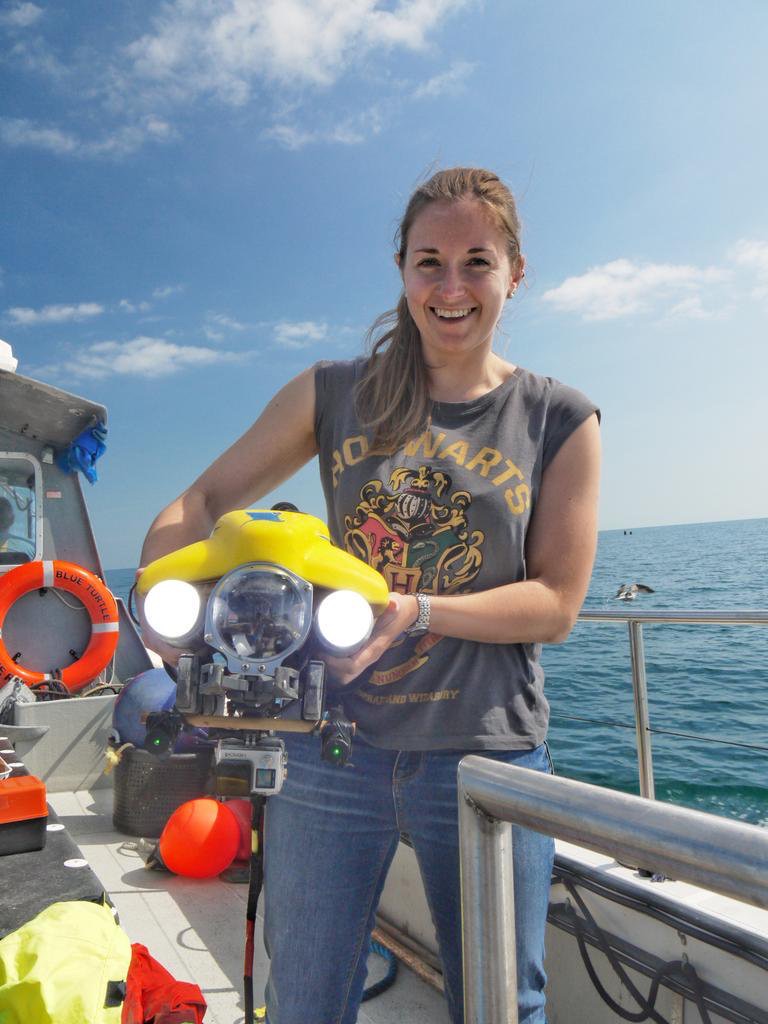
Dr Danielle Bridger
PhD – Offshore mussel farm
Supervisory team: Dr Emma Sheehan (DoS), Prof. Martin Attrill, Dr Sian Rees
I joined the team in 2012 and started working on the Falmouth Harbour maerl dredging mitigation experimental study. I then worked on a variety of projects including the long term Lyme Bay monitoring project and have contributed to research in seagrass, maerl beds, ocean sprawl and marine litter. In 2013 I became involved with the offshore mussel farm project which evolved into my PhD. I am now halfway through my 4 year PhD funded by Offshore Shellfish Ltd. assessing the ecological and socioeconomic impacts of a new large-scale offshore mussel farm in Lyme Bay.
Dr Adam Rees
Visiting Researcher, University of Plymouth. Consultant, Blue Marine Foundation
I am a marine ecologist undertaking research focussing on the impacts of various anthropogenic activities on protected marine habitats. My primary focus is the impact of commercial fisheries, having been involved with the Lyme Bay reef recovery monitoring since 2010. I have also contributed to research on the impacts of marine renewable installations and marine litter. I completed my PhD which assessed the impacts of commercial potting on reef habitats and the associated commercially important fauna within the Lyme Bay MPA. Currently I am a Visiting Researcher with the University of Plymouth and a Marine Consultant for the Blue Marine Foundation, coordinating research projects across multiple study sites throughout the UK with the aim of providing conservation benefits from, and improving the sustainability of, small-scale fisheries.
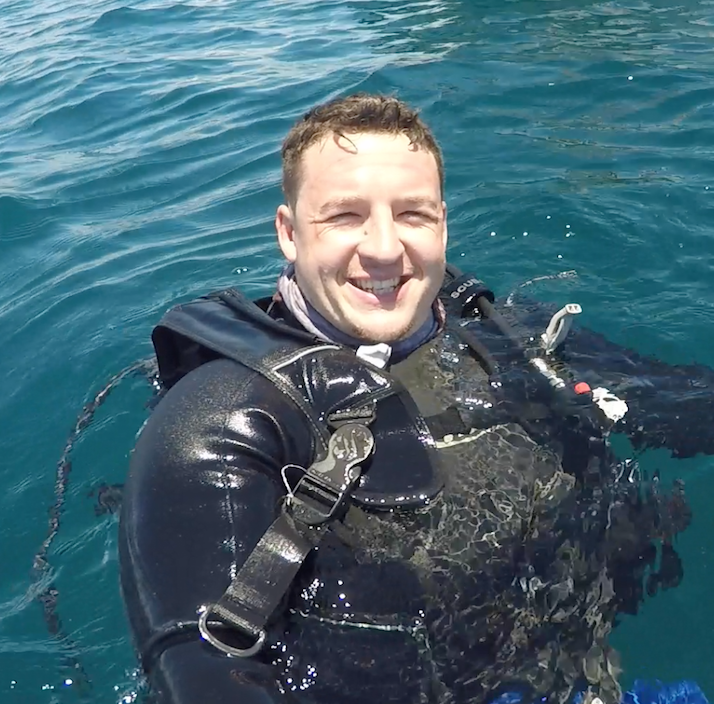
Dr Bede Ffinian Rowe Davies
PhD – The effectiveness of partially protected areas for ecosystem-based fisheries management
Supervisory team: Dr Emma Sheehan (DoS), Prof. Martin Attrill, Dr Luke Holmes
I joined Dr Emma Sheehan’s research group as a PhD Candidate. My research interests are primarily focused around the effects of human activities on ecosystem dynamics, with specific relevance to fragile ecosystems or habitats. I have worked on on research projects worldwide, along the South Coast of England, mainland coast of Ecuador and Galapagos Archipelago. The themes of these projects all come within the topic of anthropogenic effects on habitats from overfishing, artisanal fishing practises to plastic pollution and Invasive Species. This interest in anthropogenic effects feeds perfectly into my PhD subject which focuses on benthic assemblage dynamics in the long term Marine Protected Area at Lyme Bay, a high traffic fishery area.
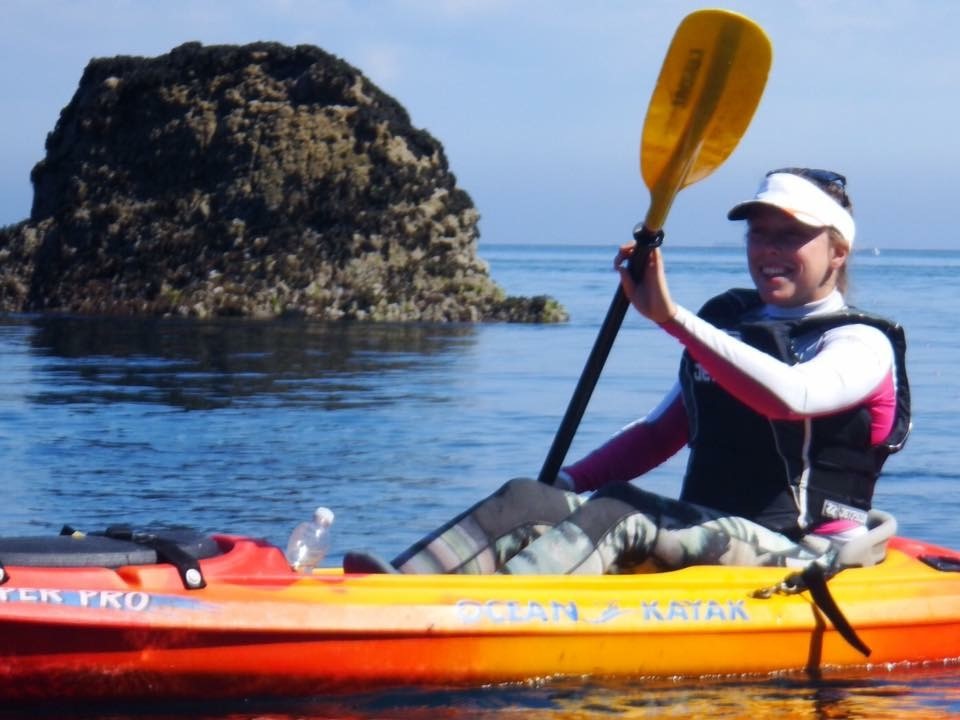
Dr Samantha Blampied
Supervisory team: Dr Emma Sheehan (DoS), Prof. Martin Attrill, Dr Sian Rees, Francis Binney, Dr Paul Chambers
I live on a small island where fisheries provide a high source of income and I am interested in finding ways to best manage our marine resources and protect key habitats to allow a sustainable fishery to thrive into the future. Two No Mobile Gear Zones (NMGZs) have recently been designated around offshore reefs within Jersey’s territorial waters and the main focus of my PhD assessing the socio-economic value and biodiversity of key habitats inside and outside these NMGZs to determine their impact. This PhD formed a central part of a wider project being run by Blue Marine Foundation and I will be working with them to increase awareness of our offshore habitats and to involve local fishermen in marine science.
 aMER - applied Marine Ecosystems Research