How can we produce food from the sea without harming the ecosystems that support it? In Torbay, Southwest England, an experimental scallop farm is helping to explore new ways to farm seafood that work with nature rather than against it.
A response to the damage caused by dredging
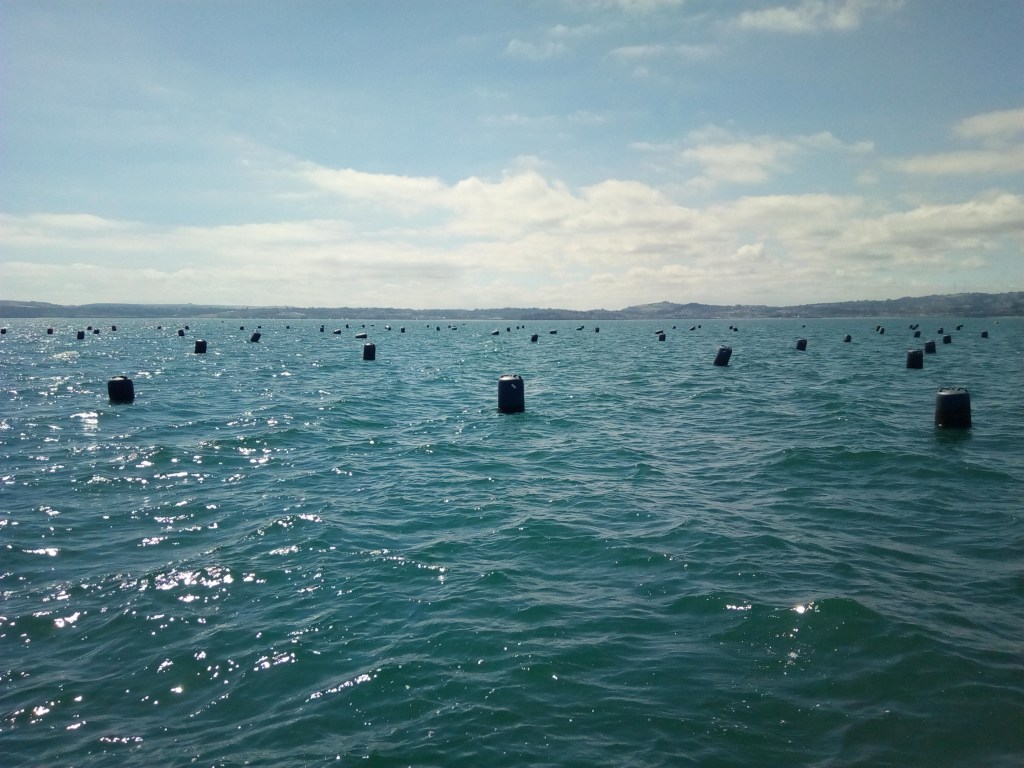
Traditional scallop fishing relies on heavy metal dredges to harvest shellfish from the seabed — a method known to cause serious damage to marine habitats. These bottom-towed fishing gears disturb the seafloor, reduce biodiversity, and harm non-target species. In the face of mounting concern over these impacts, the Torbay Scallop Farm was established to investigate whether there’s a more sustainable way to grow and harvest scallops.
This experimental site provides a unique opportunity to test scallop farming as an alternative — where juvenile scallops are held in specially designed nets suspended above the seabed, allowing them to grow without the need for destructive dredging. As global demand rises for low-impact sources of protein, farming bivalves like scallops could offer both environmental and nutritional benefits. But like any form of aquaculture, it’s important to assess potential risks, such as increased organic waste (biodeposition) and changes to local food webs.
Building an evidence base for sustainable solutions
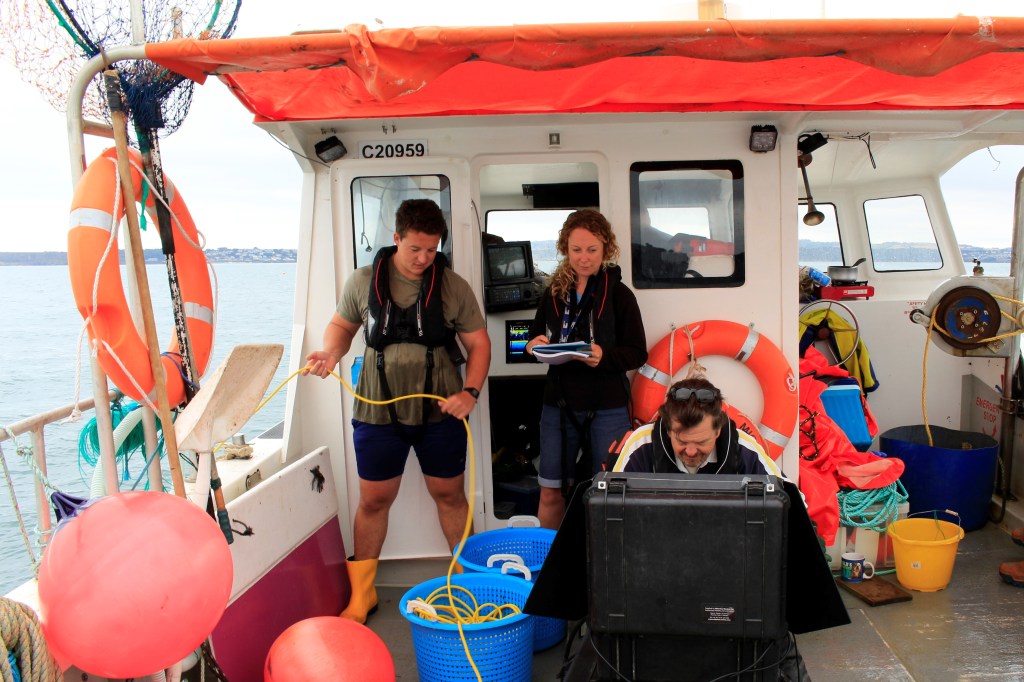
This research began as an MPhil project by David Cox at the University of Plymouth, designed to investigate the environmental impacts as well as commercial viability of an experimental scallop farm In Torbay, offering an alternative method to scallop dredging. Over three years, the work developed into a comprehensive study using underwater video surveys to monitor changes in marine life around the site. By comparing conditions under and around the nets with nearby reference areas, the team assessed how this new method of scallop farming affects the surrounding ecosystem.
The results were encouraging. Species richness and abundance were generally higher in areas beneath and adjacent to the nets, suggesting that this form of aquaculture can enhance local biodiversity. During routine husbandry, mussels that had attached to the outside of the nets were dislodged and fell to the seabed — where they began forming small biogenic reef structures. These living reefs provided valuable habitat for a range of other marine species, further contributing to the ecological value of the site. These findings show that, when carefully designed and managed, scallop farming has the potential not only to reduce harm compared to dredging, but also to deliver ecological benefits. The study is helping to shape a robust, ecosystem-based monitoring framework that can guide future scallop farming initiatives — contributing to a more sustainable and regenerative approach to seafood production.
This work also forms part of the University’s long-term monitoring of offshore aquaculture. As part of the Ropes to Reefs project, the scallop farmers played a key role in supporting additional monitoring by deploying acoustic telemetry receivers around the farm. These receivers are helping researchers investigate whether commercially important species — including European bass, dogfish, lobster, and thornback rays — are using the farm as habitat. This collaboration is providing valuable insight into how aquaculture infrastructure might support wider ecosystem functioning, and how well-designed farms could act as refuge areas for marine life.
Return to the Projects page for details of other projects.
 aMER - applied Marine Ecosystems Research